🥗 How to Estimate Hydration by Urine Color
✅ Key Takeaway
Assessing hydration through urine color is a simple, everyday method. If your urine is a light straw color, you’re likely well-hydrated. Darker yellow or amber might indicate it's time to drink more fluids.
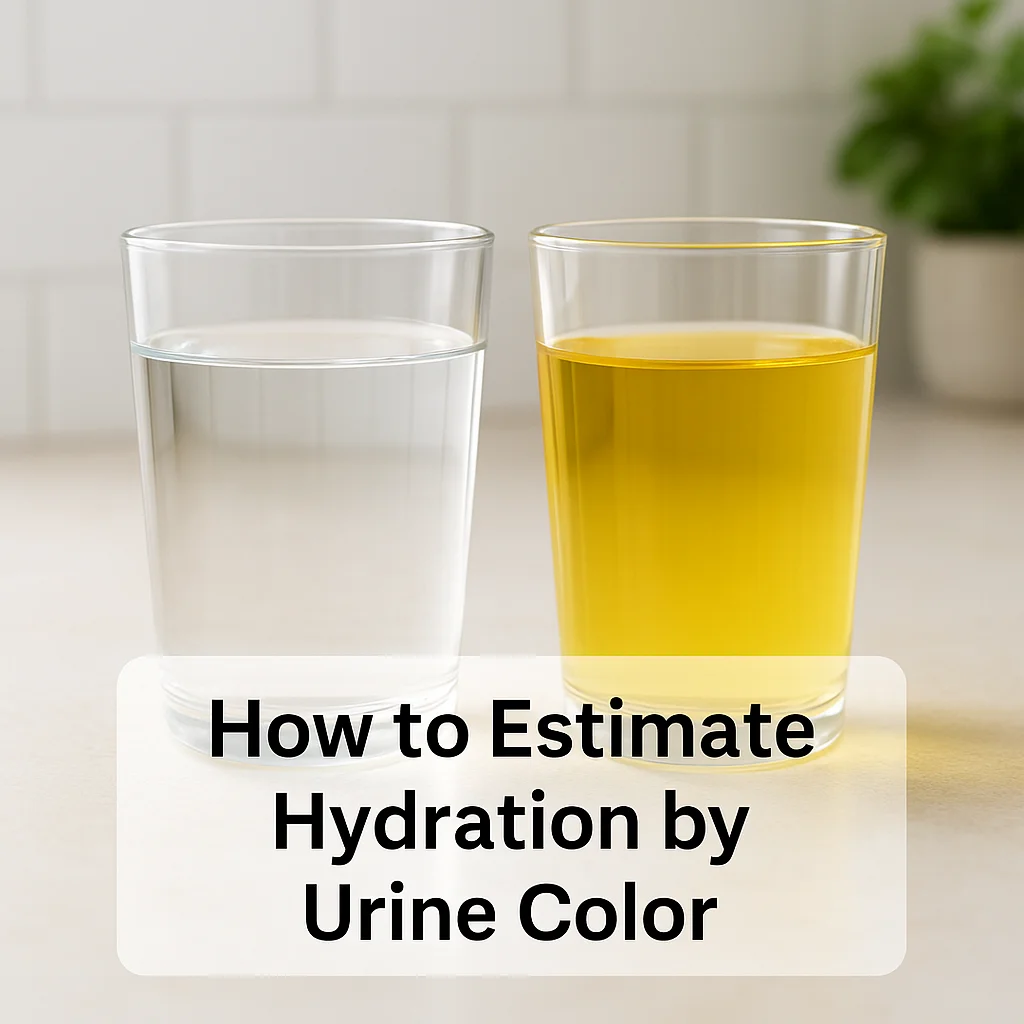
- Good for most healthy adults.
- Be cautious if on diuretics or with kidney issues.
- The ideal: pale yellow for best hydration estimate.
- Common mistake: forgetting that certain foods/meds alter urine color.
- Next step: monitor your urine color over a few days for trends.
🧠 Why This Matters
Proper hydration affects everything from energy levels and concentration to digestion and physical performance. Dehydration may lead to fatigue, headaches, and even impair your ability to focus and perform everyday tasks efficiently.
Globally, accessibility to clean water varies, making efficient fluid management crucial for maintaining good health, especially in hot and arid regions.
🔬 What the Science Says
Urine color can be an effective indicator of hydration because it reflects the concentration of waste products, primarily in the form of urea, in your system. When you're well-hydrated, your urine is dilute and pale yellow. When you’re dehydrated, your body conserves water, resulting in more concentrated, darker urine.
Evidence suggests urine color can be effectively utilized with some individual variability. Factors such as diet, supplements, medications, and certain health conditions can affect urine color.
⚖️ Benefits vs Downsides
- Benefits:
- Easy and cost-free hydration check.
- Promotes awareness of personal hydration habits.
- Immediate feedback with every bathroom visit.
- No equipment required.
- Downsides/Cautions:
- Can be affected by food/supplements (e.g., beets, B vitamins).
- Not precise—only a rough guide.
- May not indicate hydration in chronic conditions or with certain meds.
- Doesn't account for electrolyte balance.
🎯 The Best Way to Apply This
- Check your urine color to match light straw or pale yellow.
- If darker, increase your water intake gradually.
- Avoid overloading on water, which can dilute crucial electrolytes.
- Use morning urine as a baseline for daily adjustments.
- Adjust fluid intake according to sweat loss from activities or heat.
⏰ Timing, Portions, and Frequency
Generally, it's best to consume fluids consistently throughout the day rather than all at once. Morning is a good time to assess base hydration after overnight.
Pay attention to your thirst levels—it's a natural cue for when to drink. A small glass of water with meals and snacks can support regular hydration without overdoing it.
🤝 Best & Worst Pairings (Food Combos)
- Pairs Well With:
- Water-rich fruits (e.g., watermelon, oranges).
- Herbal teas and broths.
- Low-sodium electrolyte drinks.
- Be Careful Combining With:
- High-sugar drinks that may cause dehydration over time.
- Caffeinated beverages; monitor intake as they can be diuretic.
- Salty foods that may lead to water retention.
🚦Who Should Be Careful
- Individuals on diuretics may misinterpret urine color.
- Those with kidney disorders should consult healthcare providers.
- If you have color vision deficiencies, this method may be less reliable.
- Anyone with specific dietary restrictions that affect hydration status.
- If unsure, ask a pharmacist or clinician.
🧩 Common Mistakes and Fixes
- Mistake: Drinking too much water at once. → Fix: Spread fluid intake throughout the day.
- Mistake: Ignoring darker urine after vitamin intake. → Fix: Note connection and adjust based on regular diet.
- Mistake: Assuming thirst equals dehydration at all times. → Fix: Check urine color for more context.
- Mistake: Neglecting adjustment in hot climates. → Fix: Increase fluids with heat exposure or exercise.
- Mistake: Relying solely on thirst in older adults. → Fix: Combine thirst signals with urine color checks.
📋 Quick Checklist
- Check urine color each morning for hydration baseline.
- Aim for a light straw or pale yellow hue.
- Adjust water intake if urine is dark yellow.
- Account for beverages and foods that affect urine color.
- Spread fluid consumption over the day.
- Pay attention to thirst cues.
- Adapt hydration to physical activity levels.
- Avoid non-essential high-sugar and high-caffeine drinks.
- Increase fluid intake in hot weather.
- Monitor for consistent trends, not isolated instances.
📌 Summary
- Estimating hydration by urine color is a practical tool.
- Light straw urine suggests good hydration; darker calls for more fluids.
- Be cautious of dietary and medicinal influences on urine color.
- Implement gradual hydration adjustments.
- Take note of external factors like activity and temperature affecting fluid needs.