🥗 Post-Workout Foods That Reduce Muscle Loss
✅ Key Takeaway
To reduce muscle loss after workouts, focus on consuming nutrient-dense foods that provide a balance of protein, carbohydrates, and healthy fats. These can help in muscle repair and growth while also replenishing energy stores.
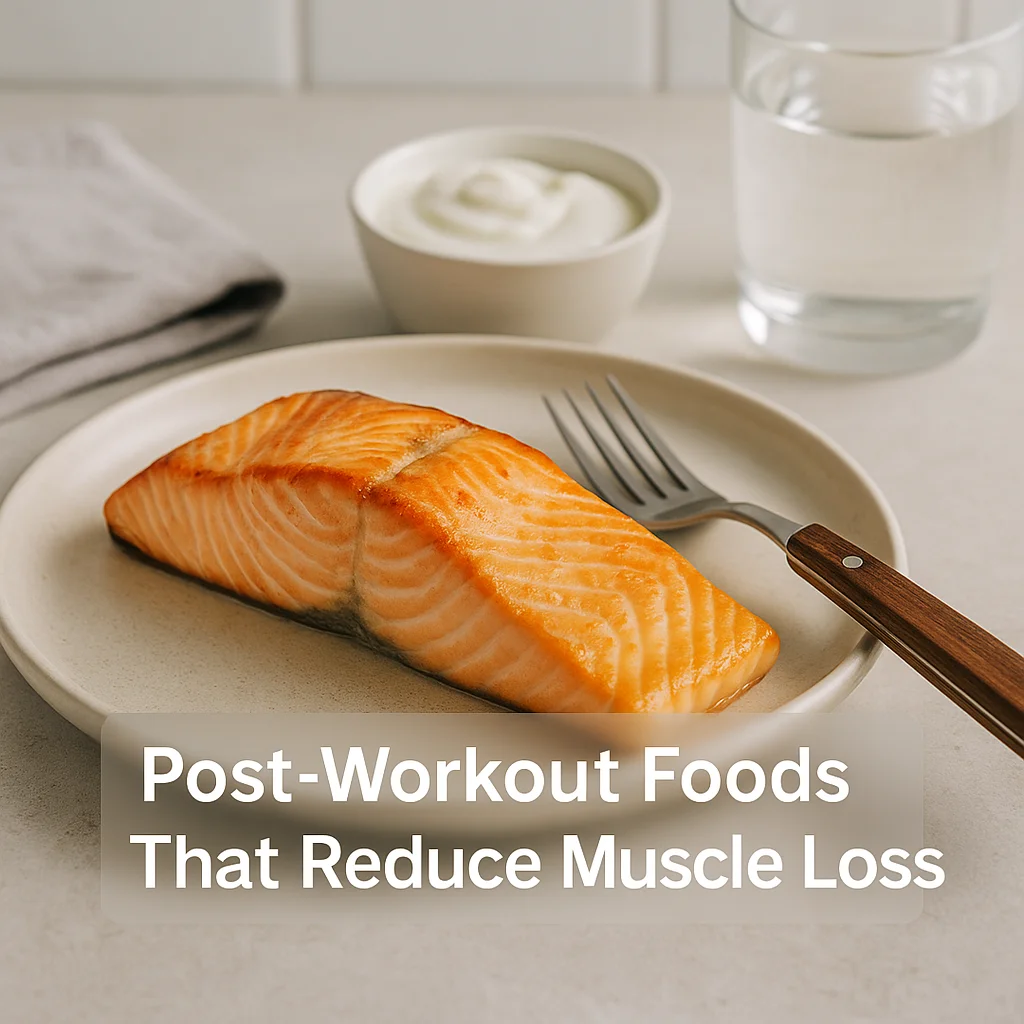
- Good for: Active individuals looking to maintain or gain muscle mass.
- Caution: People with dietary restrictions should consider alternatives.
- Best method: A balanced meal with lean protein, complex carbs, and healthy fats.
- Biggest mistake: Skipping post-workout nutrition or opting for high-sugar snacks.
- Next step: Plan meals ahead to ensure accessibility of healthy options post-exercise.
🧠 Why This Matters
After working out, our muscles experience tiny tears that need repairing for strength gains. Nutrition plays a pivotal role in this process, helping alleviate muscle soreness, rebuild tissue more effectively, and improve subsequent performance. Post-workout nutrition is especially crucial for athletes, bodybuilders, and fitness enthusiasts who aim to optimize recovery and results.
🔬 What the Science Says
Protein consumption post-exercise is widely recognized for aiding muscle repair. Proteins are broken down into amino acids, serving as building blocks for muscle fibers. Carbohydrates are also important to replenish glycogen stores, offering sustained energy. Science suggests a combination of both is ideal for minimizing muscle loss. While evidence on the best types of foods can be mixed, lean proteins and whole grains often come out on top for both repair and energy regeneration.
⚖️ Benefits vs Downsides
- Benefit: Enhances muscle recovery.
- Benefit: Improves energy replenishment.
- Benefit: Supports protein synthesis.
- Benefit: Reduces muscle soreness.
- Caution: Overeating post-workout may lead to calorie surplus and weight gain.
- Caution: Some foods may upset stomach if consumed too soon after intense workouts.
- Caution: Allergies or dietary deficiencies may limit food choices.
🎯 The Best Way to Apply This
- Choose lean protein sources like chicken, fish, or plant-based options such as beans.
- Incorporate whole grain carbohydrates like oats, brown rice, or quinoa.
- Include healthy fats from avocado, nuts, or olive oil.
- Consume the meal within 30 to 60 minutes post-workout for optimal absorption.
- Stay hydrated with water or electrolyte drinks to support muscle function.
⏰ Timing, Portions, and Frequency
Timing is key: aim to eat within an hour after your workout. Portion sizes don't require strict measurement, aim for a balance similar to a small plate or bowl. Consistency matters more than frequency; try to include these nutrient-rich meals or snacks regularly post-workout to prevent muscle loss over time.
🤝 Best & Worst Pairings (Food Combos)
- Pairs well with: Eggs and whole-grain toast, yogurt and fruit, salmon and quinoa.
- Be careful combining with: High sugar snacks, deep-fried foods, sugary beverages.
🚦Who Should Be Careful
- People with specific allergies (e.g., lactose, gluten) should modify food choices accordingly.
- Individuals with kidney issues might need to moderate protein intake.
- Those on specific medications should consult a clinician about food interactions.
- If unsure, ask a pharmacist/clinician.
🧩 Common Mistakes and Fixes
- Mistake: Skipping post-workout nutrition → Fix: Prepare meals or snacks in advance.
- Mistake: Choosing processed snacks → Fix: Opt for whole, minimally processed foods.
- Mistake: Overloading on high-calorie foods → Fix: Balance your macros with mindful portions.
- Mistake: Ignoring hydration → Fix: Drink water or hydrating beverages regularly.
- Mistake: Delaying meals too long → Fix: Eat within 30 to 60 minutes post-exercise.
- Mistake: Relying solely on supplements → Fix: Prioritize whole food sources where possible.
- Mistake: Not varying your diet → Fix: Incorporate a variety of proteins, carbs, and fats.
- Mistake: Eating unrelated to energy needs → Fix: Tailor portion sizes based on activity level.
📋 Quick Checklist
- Eat within 1 hour post-workout.
- Include lean protein in meals.
- Use whole grains for carb sources.
- Add healthy fats like avocado or nuts.
- Prepare meals ahead of time.
- Stay hydrated before, during, and after workouts.
- Avoid sugar-laden snacks.
- Balance portion sizes to avoid overeating.
- Diversify your nutrient intake.
- Consult a professional if in doubt about dietary restrictions or medications.
- Substitute allergenic foods with suitable alternatives.
- Reassess nutrient needs regularly based on activity changes.
📌 Summary
- Consuming nutrient-dense foods post-workout helps reduce muscle loss.
- Lean proteins and whole grains are effective for recovery and energy replenishment.
- Avoid high-sugar and processed snacks.
- Eat within an hour after exercising.
- Plan meals in advance for convenience.
- Be aware of dietary restrictions and consult professionals if needed.
- Stay hydrated to support muscle function.
- Adjust portions based on exercise intensity and personal goals.
- Monitor for adverse reactions and adjust diet accordingly.
- Balance macros for optimal health and fitness.
- Consistency in diet and exercise is key.