🥗 Pre-Workout Food Choices That Feel Light
✅ Key Takeaway
Choosing pre-workout foods that feel light can enhance your exercise performance without weighing you down. A balanced approach generally includes carbohydrates for energy and a small amount of protein to support muscle maintenance.
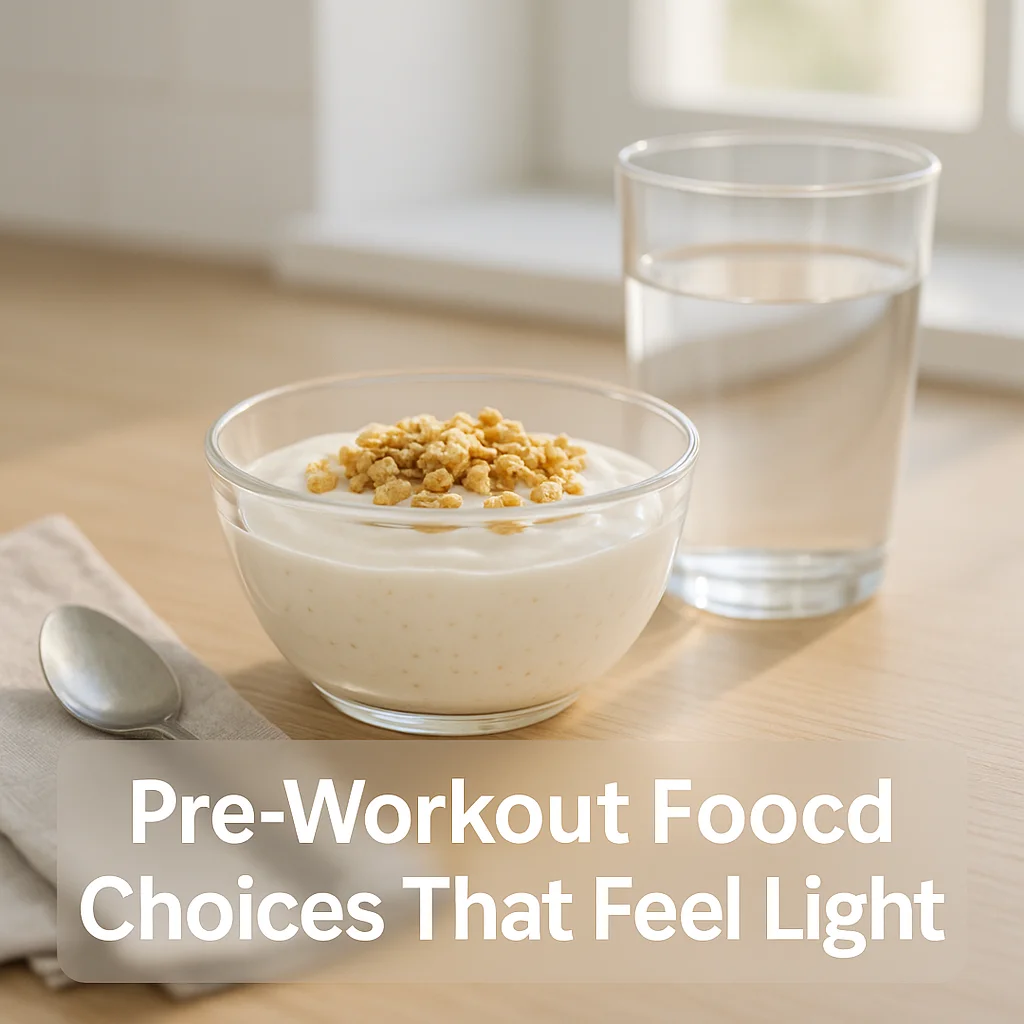
- Usually good for: People engaging in moderate to intense exercise who need quick energy.
- Should be cautious: Individuals with specific dietary restrictions or digestive sensitivities.
- Best simple way: Opt for a small portion of fruit with a little yogurt or a similar combo.
- Biggest mistake: Eating too much fiber or high-fat foods right before exercising.
- Next step: Start by identifying what works for your body by experimenting with small, light meals.
🧠 Why This Matters
Eating the right foods before a workout can make a significant difference in how you feel and perform. The challenge is to consume just enough to provide energy without causing discomfort. This balance supports optimal performance and can help you make the most of your fitness goals. Unlike large, heavy meals that can lead to sluggishness or digestive discomfort, light pre-workout snacks are designed to give you an energy boost and keep you fueled throughout your session.
🔬 What the Science Says
The main goal of pre-workout nutrition is to optimize blood sugar levels and energy availability. Consuming easily digestible carbohydrates can provide the quick-release energy needed for exercise. A small amount of protein can aid in muscle repair without using significant digestive energy. Eating too close to a workout can lead to digestive distress, so it's important to choose foods that are light and easy on the stomach.
⚖️ Benefits vs Downsides
- Benefits:
- Quick energy boost from carbohydrates.
- Helps prevent low blood sugar levels during exercise.
- Supports muscle preservation.
- Minimizes digestive discomfort.
- Downsides/Cautions:
- Potential for digestive discomfort if timed poorly.
- Overconsumption can lead to bloating.
- Some people may experience an energy crash.
- Individual tolerances vary; trial and error may be needed.
🎯 The Best Way to Apply This
- Choose a source of quick carbs like a banana or raisins.
- Add a light protein like a spoonful of Greek yogurt or a small handful of nuts.
- Aim to consume your snack 30–60 minutes before your workout.
⏰ Timing, Portions, and Frequency
For most people, a small snack 30–60 minutes before exercise is ideal. This timing allows enough digestion for energy availability but prevents discomfort. The portion should be modest—think a small bowl of fruit or a single piece of toast with nut butter. Avoid fasting before very intense workouts unless you are accustomed to it and have considered its impacts on your performance and recovery.
🤝 Best & Worst Pairings (Food Combos)
- Pairs well with: Whole grain toast and avocado, banana and peanut butter, apple slices with almond butter.
- Be careful combining with: High-fat options like cheese or fries, heavy fiber sources like beans or raw veggies, caffeinated beverages if you are sensitive.
🚦Who Should Be Careful
- Those with gastrointestinal sensitivities might want to avoid fibrous or fatty foods.
- If you have a condition requiring dietary restriction, consult with a professional before modifying diet.
- Individuals on specific medications should talk to a healthcare provider.
- If you are unsure, consult a pharmacist or clinician.
🧩 Common Mistakes and Fixes
- Skipping your pre-workout snack → Have something small, like a piece of fruit.
- Eating too close to workout time → Allow at least 30 minutes for digestion.
- Choosing high-fat or fiber-rich foods → Stick to simple carbs and easy-to-digest proteins.
- Copying others' routines → Experiment to find what works for you.
- Overhydration → Drink moderate amounts of water; stop when comfortably hydrated.
- Ignoring portion sizes → Keep it small to avoid discomfort.
📋 Quick Checklist
- Snack 30–60 minutes before exercising.
- Choose simple carbs like fruits.
- Add a light protein, such as yogurt or nuts.
- Avoid high-fiber and high-fat foods.
- Monitor how your body reacts and adjust as needed.
- Drink moderate amounts of water.
- Don't try new foods before important workouts.
- Keep portions modest.
- Identify food-induced discomfort and adjust accordingly.
- If unsure, seek professional guidance.
📌 Summary
- Pre-workout foods should be light to enhance performance.
- Ideal choices are quickly digestible carbs with a bit of protein.
- Eat 30–60 minutes before exercise for optimal digestion.
- Be cautious with heavy, fatty, or high-fiber foods.
- Try different snacks to see what suits you best.
- If you experience digestive issues, rethink your choices.
- Adjust timing or portions if necessary based on body response.
- Consult with professionals if dietary restrictions apply.