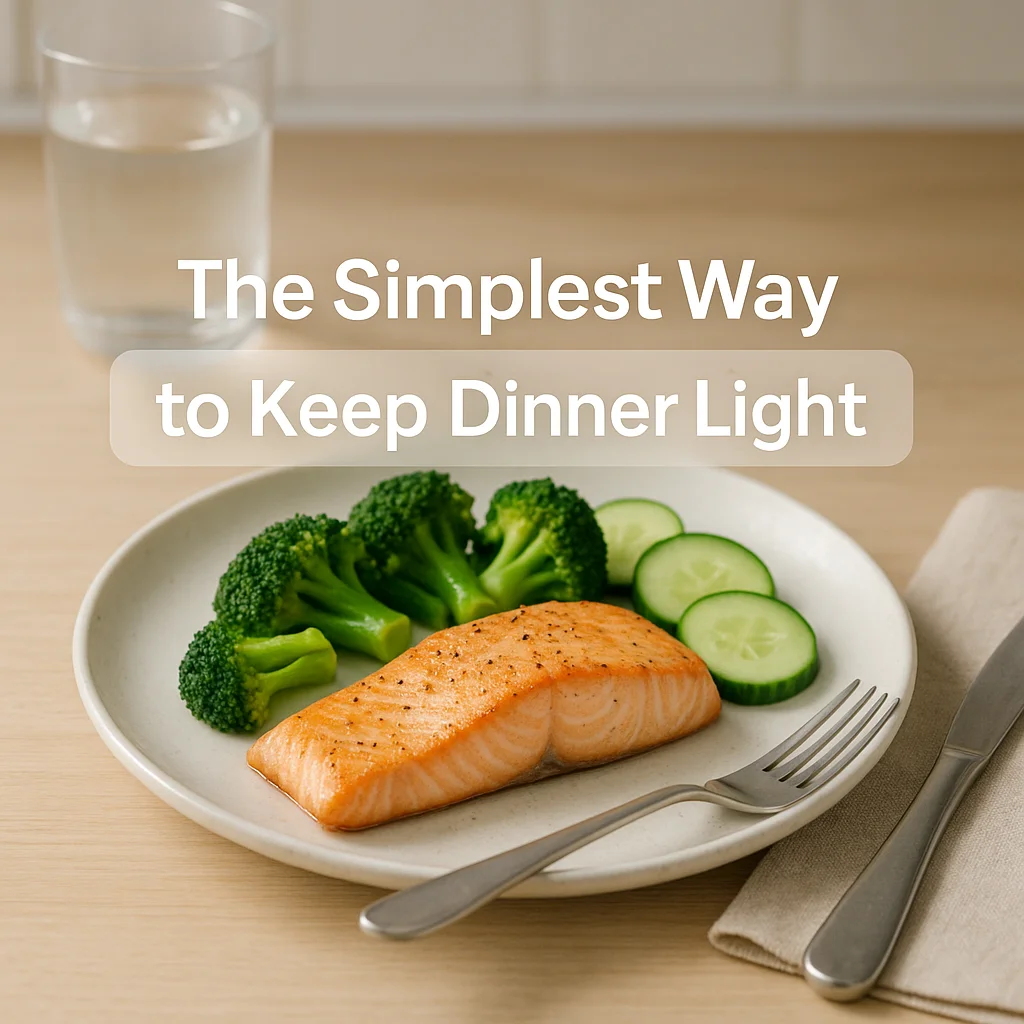
🥗 The Simplest Way to Keep Dinner Light
✅ Key Takeaway
The simplest way to keep dinner light is by focusing on portion control and incorporating more vegetables and lean proteins. This approach can be beneficial for maintaining a well-balanced diet and feeling satisfied without overeating.
- Who it's usually good for: People aiming to maintain or lose weight, improve digestion, or enhance sleep.
- Who should be cautious: Those with specific dietary needs or medical conditions should consult a professional.
- Best simple way to do it: Half your plate with vegetables, a quarter with lean protein, and the rest with whole grains.
- Biggest mistake people make: Ignoring portion sizes and eating too late at night.
- One practical "next step": Plan your dinners around seasonal vegetables and lean meats or plant-based proteins.
🧠 Why This Matters
Keeping dinner light can significantly impact energy levels, digestion, and even sleep quality. Many people find themselves sluggish or unable to fall asleep after a heavy meal. By keeping dinner on the lighter side, you may avoid these common pitfalls, allowing for better next-day performance and a more restful night's sleep. Globally, dinners tend to be the largest meal of the day, yet this may not align with how our bodies naturally process food.
🔬 What the Science Says
Science suggests that a lighter dinner, rich in vegetables and lean proteins, can support digestion and regulate blood sugar. Meals high in fiber and low in fat tend to digest more slowly, providing prolonged satiety without the energy crash. On the contrary, evidence regarding meal timing varies; some research suggests eating earlier in the evening may align better with circadian rhythms, potentially improving metabolism and sleep quality.
⚖️ Benefits vs Downsides
- Benefits:
- May improve digestion
- Can enhance sleep quality
- Might help in weight management
- Potentially improves energy levels the next day
- Often aids in reducing cravings
- Downsides/Cautions:
- May not provide enough calories if under-eaten
- Fullness may not last until morning for some
- Can be challenging for those with higher calorie needs
- Might involve more planning and preparation
🎯 The Best Way to Apply This
- Start planning your meals with vegetables as the main focus.
- Ensure a portion of lean protein like fish, chicken, or legumes.
- Include a small portion of whole grains or complex carbohydrates.
- Avoid high-fat, heavily processed foods at dinner time.
- Eat your dinner at least 2-3 hours before bed.
⏰ Timing, Portions, and Frequency
Try to have dinner earlier in the evening so your body has ample time to digest before sleep. A balanced dinner plate can be visualized as half vegetables, a palm-sized portion of protein, and a small handful of whole grains. Frequency can vary based on cultural practices but keeping dinner lighter may be advantageous for most people at least several times a week.
🤝 Best & Worst Pairings (Food Combos)
Pairs well with:
- Grilled chicken and steamed broccoli
- Tofu stir-fry with mixed vegetables
- Quinoa salad with plenty of greens
- Lentil soup with fresh herbs
Be careful combining with:
- Heavy sauces and creams
- Large servings of red meat
- High-sugar beverages
- Deep-fried foods
🚦Who Should Be Careful
- Individuals with specific nutrient deficiencies may need tailored meals.
- Those with complex medical conditions should consult with a healthcare professional.
- People on medications requiring specific dietary guidelines should talk to a pharmacist/clinician.
🧩 Common Mistakes and Fixes
- Eating too close to bedtime → Allow at least 2 hours between dinner and sleep.
- Skipping protein → Include a lean protein source in every dinner.
- Forgetting about fiber → Ensure plenty of vegetables or legumes on your plate.
- Overeating before bed → Serve meals on smaller plates to control portions better.
- Ignoring hydration → Have a glass of water with dinner, but not too much after.
- Selecting refined grains → Opt for whole grains like quinoa or brown rice.
- Using heavy dressings → Choose lighter dressings, or use olive oil and vinegar.
- Miscalculating portion sizes → Use simple visuals like a "palm" for proteins.
📋 Quick Checklist
- Plan dinner around vegetables.
- Include a lean protein source.
- Aviod high-fat and processed foods.
- Eat dinner 2-3 hours before sleeping.
- Watch portion sizes, use smaller plates.
- Drink a moderate glass of water with your meal.
- Favor whole grains over refined ones.
- Limit sugar-heavy drinks and desserts.
- Add fresh herbs for flavor without calories.
- Practice mindful eating: slow down and enjoy your meal.
📌 Summary
- The simplest way to keep dinner light: focus on veggies and lean proteins.
- Best method: use half-vegetables, quarter-proteins, quarter-whole grains on your plate.
- Key cautions: those with medical conditions, consult a professional.
- Easiest habit to start: plan meals to avoid heavy, late dinners.
- Might improve digestion, sleep, and energy levels.
- Keep well hydrated but not excessively at night.
- Avoid processed foods and sugary drinks.
- Eating earlier in the evening may be beneficial.