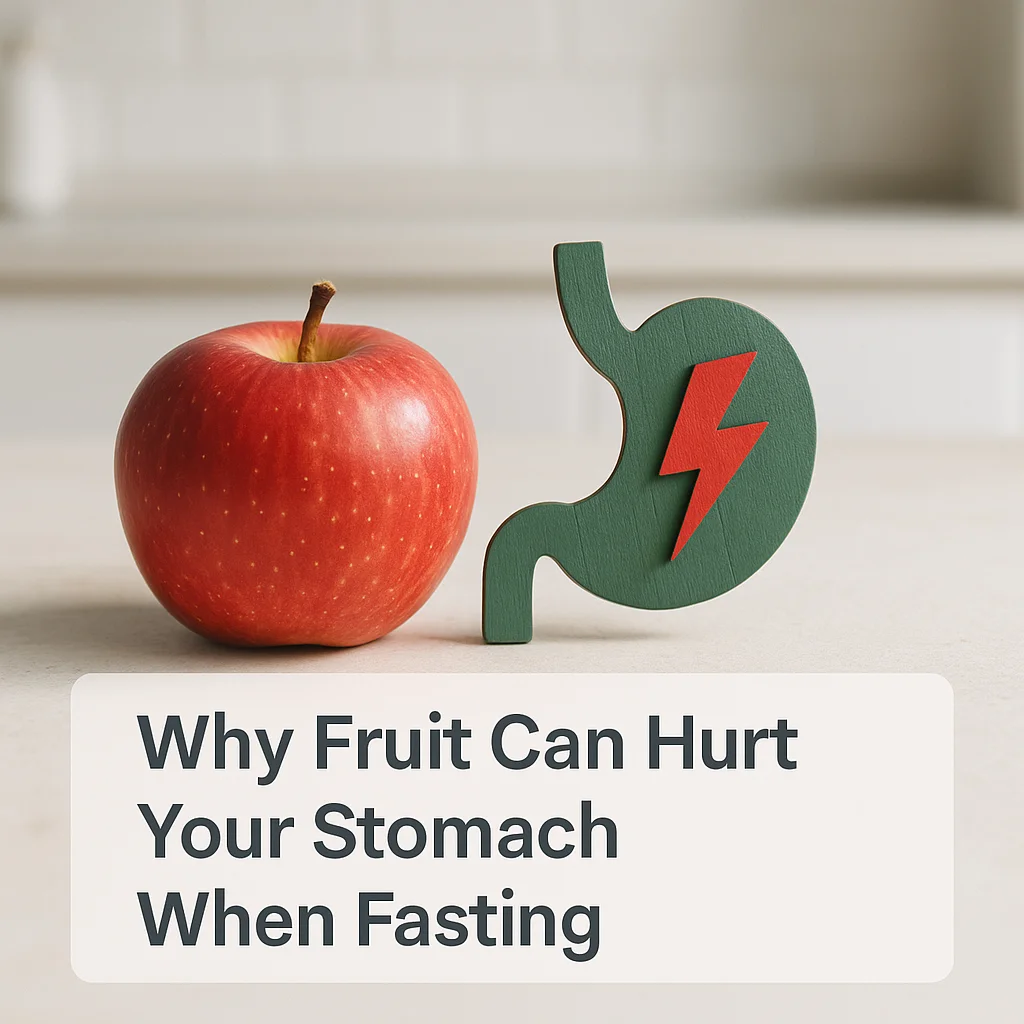
🥗 Why Fruit Can Hurt Your Stomach When Fasting
✅ Key Takeaway
Fruit can sometimes cause stomach discomfort when eaten on an empty stomach due to its high acidity, fiber content, and sugar levels. Understanding how these elements interact with your digestive system is important when considering fruit as part of a fasting regimen.
- Who it’s usually good for: Individuals with a healthy digestive system seeking nutritious, low-calorie foods.
- Who should be cautious: People with sensitive stomachs or gastrointestinal issues like IBS or acid reflux.
- Best simple way to do it: Break your fast with low-acid fruits like bananas or melons.
- Biggest mistake people make: Consuming citrus fruits immediately after fasting.
- One practical “next step”: Start with small portions of fruit combined with other foods to monitor your digestive response.
🧠 Why This Matters
Fasting has become popular due to its potential health benefits, including improved metabolism and weight management. However, it can be challenging to manage hunger and energy levels during fasting periods. When breaking a fast, some people experience stomach discomfort when consuming fruit. Understanding why this happens can help you make informed food choices that support your fasting goals without sacrificing comfort.
🔬 What the Science Says
When eating fruit on an empty stomach, its high acidity and sugar content can sometimes irritate the lining of the stomach, especially if you have a sensitive digestive system. The fiber in fruit, while beneficial for digestion, may cause bloating or gas if consumed in large amounts quickly. Additionally, the body's insulin response to fructose, a natural sugar in fruit, may affect how some people feel post-fast.
⚖️ Benefits vs Downsides
- Benefits:
- Rich in vitamins and antioxidants.
- Provides a quick energy boost.
- Supports hydration due to high water content.
- May aid in regular digestion over time.
- Downsides:
- Can cause stomach irritation due to acidity.
- May lead to bloating from high fiber intake.
- Possible blood sugar spikes with high-sugar fruits.
- Potential for acid reflux in sensitive individuals.
🎯 The Best Way to Apply This
- Begin with small portions of fruit to gauge your stomach's response.
- Pair fruit with a small amount of protein or fat to slow absorption and minimize blood sugar spikes.
- Choose low-acid fruits like bananas or melons initially.
- Hydrate with water before consuming fruit to prepare your stomach lining.
- Monitor and adjust based on personal tolerance and comfort.
⏰ Timing, Portions, and Frequency
It's generally best to consume fruit earlier in the day for easier digestion and use a palm-sized portion as a guide. Breaking your fast with fruit should be observed carefully based on personal reactions. Mixing with other macronutrients like protein or healthy fats can make fruit more tolerable when fasting.
🤝 Best & Worst Pairings (Food Combos)
- Pairs well with:
- Yogurt (provides probiotics and protein)
- Nuts (adds healthy fats)
- Whole grains (supports sustained energy release)
- Be careful combining with:
- Coffee (can add to acidity)
- Dairy (may cause bloating for some)
- Processed sugar (can spike blood sugar levels)
🚦Who Should Be Careful
- Individuals with acid reflux or GERD.
- Those with irritable bowel syndrome (IBS).
- People who suffer from frequent bloating.
- If taking medications that affect stomach lining, consult a clinician.
- Those with a history of glucose regulation issues.
- If unsure, ask a pharmacist/clinician.
🧩 Common Mistakes and Fixes
- Mistake: Breaking a fast with citrus fruits.
Fix: Opt for low-acid fruits like bananas or melons. - Mistake: Eating large amounts of fruit at once.
Fix: Start with a smaller portion. - Mistake: Ignoring digestive discomfort signals.
Fix: Adjust portions and fruit type. - Mistake: Consuming fruit too quickly.
Fix: Eat slowly and mindfully. - Mistake: Not drinking enough water with fruit.
Fix: Hydrate before and after eating fruit. - Mistake: Combining fruit with acidic beverages.
Fix: Pair with neutral or alkaline drinks.
📋 Quick Checklist
- Start with low-acid fruits.
- Use a palm-sized portion as a guide.
- Pair with protein or healthy fats.
- Hydrate before and after consumption.
- Avoid coffee immediately when breaking a fast.
- Listen to your digestive signals.
- Eat fruit first thing after someone with no breakfast.
- Choose whole fruits over juices.
- Monitor blood sugar if you have glucose issues.
- Consult if on medication that impacts digestion.
- Be mindful of portion sizes.
- Prioritize fruits you tolerate well.
📌 Summary
- Breaking a fast with fruit can cause stomach discomfort for some.
- Best method: start with low-acid fruits like bananas or melons.
- Be cautious if you have a sensitive stomach or digestive issues.
- Hydrate and combine fruit with other macros like protein or fats.
- Common mistake: eating citrus fruits immediately when breaking a fast.
- Listen to your body's response and adjust portions and fruit types accordingly.
- Be mindful of potential blood sugar spikes when consuming high-sugar fruits.
- Avoid combining fruit with acidic beverages or large dairy portions if sensitive.
- Stay hydrated throughout the fasting and post-fasting periods.
- If unsure of how your body will react, consult a health professional.